The craft
Every decision shows up in the finished frame.
Here’s what goes into a frame, and why we make the choices we do.
The making
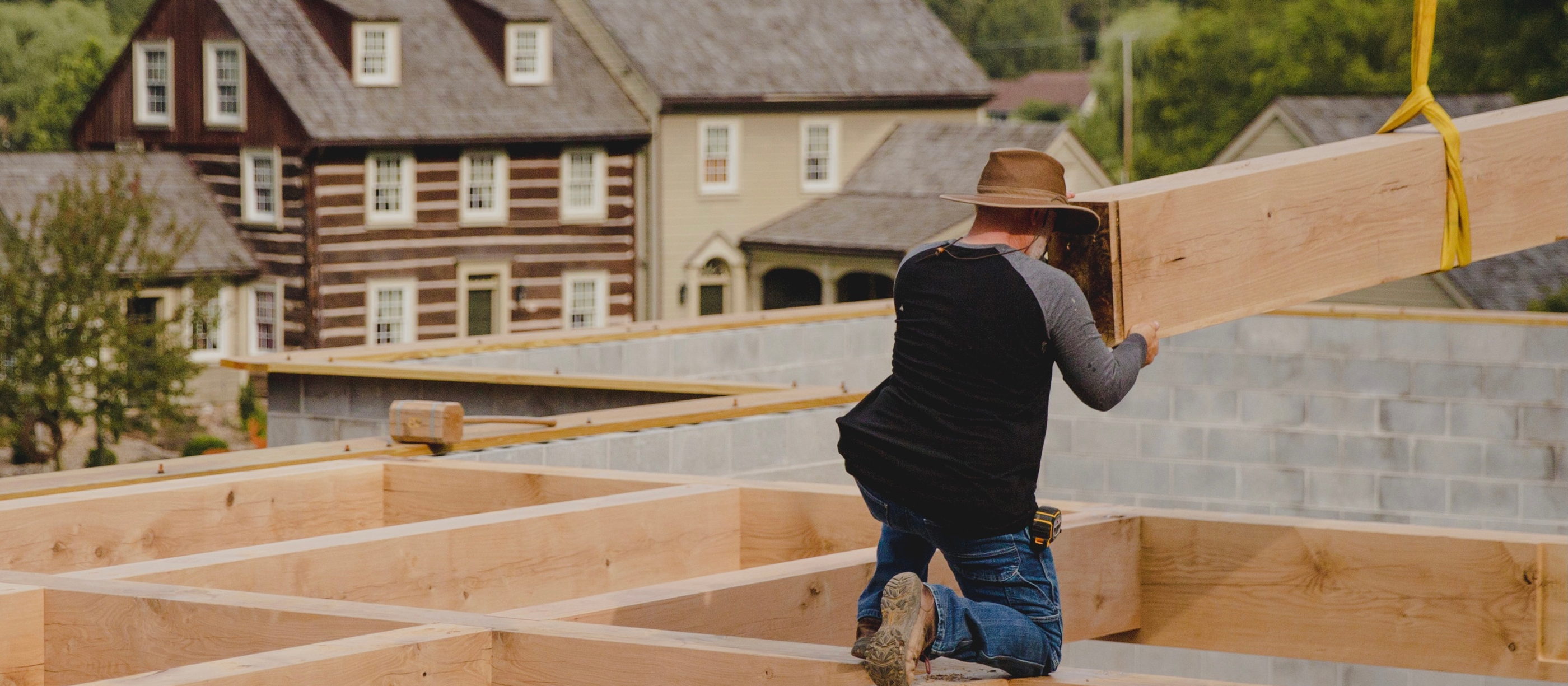
A timber frame starts as a set of drawings and ends as a structure that will outlast almost everything built around it. In between is a process that hasn’t fundamentally changed in centuries: design, engineering, cutting, fitting, and raising. The tools have changed considerably. The work itself hasn’t.
The species chosen, the joinery selected, the way a complicated assembly is test-fit in the shop before it ever leaves: all of it is there in the timber, if you know what to look for.
We’ve spent thirty years learning what to look for.
Timber species
We’re specific about the wood we buy.
Species affects how a frame looks, how it performs, and what it costs. We’ll help you choose what makes sense for the project. Here’s how we think about the species we work with most often.
Douglas firWhat most of our frames are made of.
Most of our frames are Douglas fir, bought to one spec: coastal dense, free of heart center, kiln dried to 19% moisture. Each part of that spec earns its place. Coastal fir grows tighter-grained than inland. Keeping the heart center, the pith, out of the timber means less twisting and checking as it finishes drying in the frame. And starting at 19% instead of green (freshly cut) wood takes most of the movement out of the wood before we ever cut a mortise.
The same straight grain that makes fir strong also makes it a little splintery. Everyone in the shop learns early to run a hand across a beam, never down it. It machines predictably, holds a crisp edge on joinery, and when the CNC is running, the whole building smells like Christmas trees, because that’s exactly what it is.
The color starts orange-rose and settles toward amber over the years. Fir also takes stain exceptionally well, which gives us a lot of room to change the character of the frame without hiding the grain. But the real reason fir is our default is simple: it behaves. The engineering numbers hold, raising day goes to plan, and the frame stays where we put it.
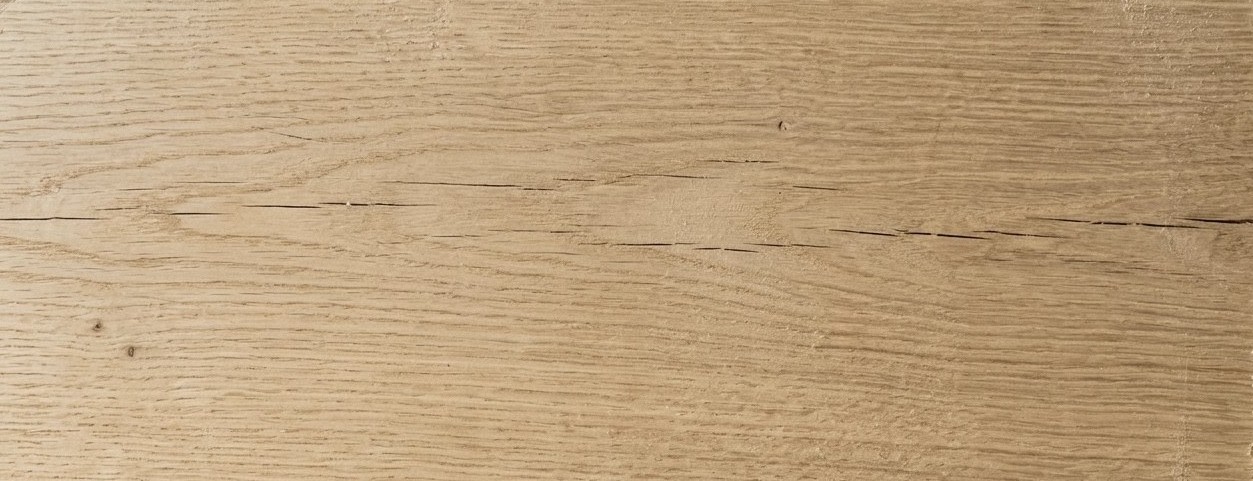
White oakIt asks more of everyone handling it.
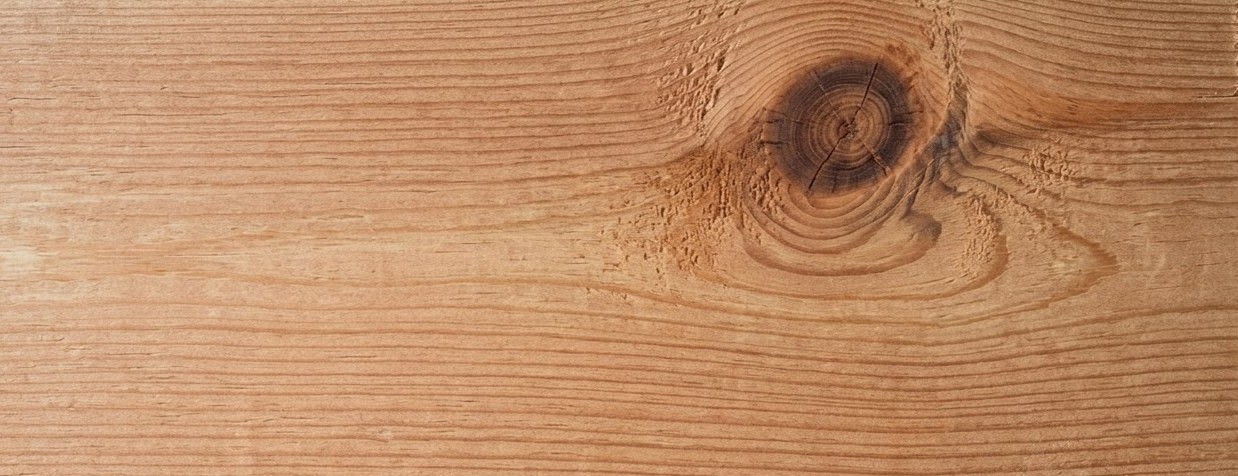
White oak’s durability starts at the cell level: as the heartwood forms, its pores seal themselves with tyloses, leaving the timber effectively closed to water. It’s why oak-framed barns raised two centuries ago are still standing.
White oak is heavier to set on raising day, slower to cut, harder on tooling, and more expensive than fir. It checks as it dries, too: long shallow splits that open along the face in the first year or two. That’s the timber behaving normally, not failing, and it’s worth understanding before you commit to an exposed frame.
In return you get a frame that starts pale honey-brown and ambers with age, with a shimmering figure called ray fleck on faces cut across the growth rings. One practical note: oak’s tannins stain black against ferrous metal, so any hardware in contact with it has to be stainless or hot-dip galvanized.
Eastern white pineThe traditional choice, for reasons that still hold.
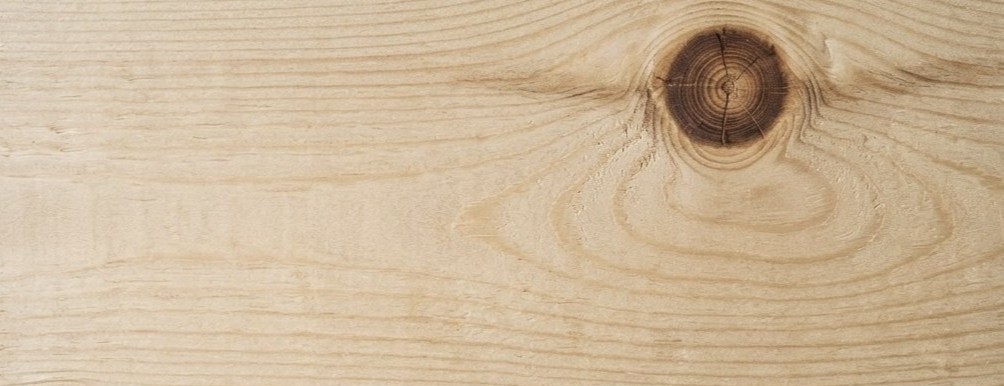
Our white pine comes out of the Adirondacks, about three hours north of the shop. It’s the same species that framed most of early New England, and largely for the same reasons: the trees grow big and straight, and the wood is about the easiest thing there is to put a chisel into.
It’s the lightest of the three species we cut regularly, in both weight and color. Because it’s less dense, the engineering calls for bigger timbers to carry the same loads, so pine frames come out with the generous, heavy-looking beams that suit the traditional houses they usually go into. The lighter weight makes raising easier, too.
Fresh-cut pine is nearly white, and its knots are part of the picture. They darken to a deep brown, nearly black, while the wood around them ambers to honey gold over a few years in the light. That contrast is much of why a pine frame reads as traditional, and it’s worth being sure it’s the look you want, because it only gets more pronounced with time.
GlulamFor spans and shapes a tree doesn’t grow.
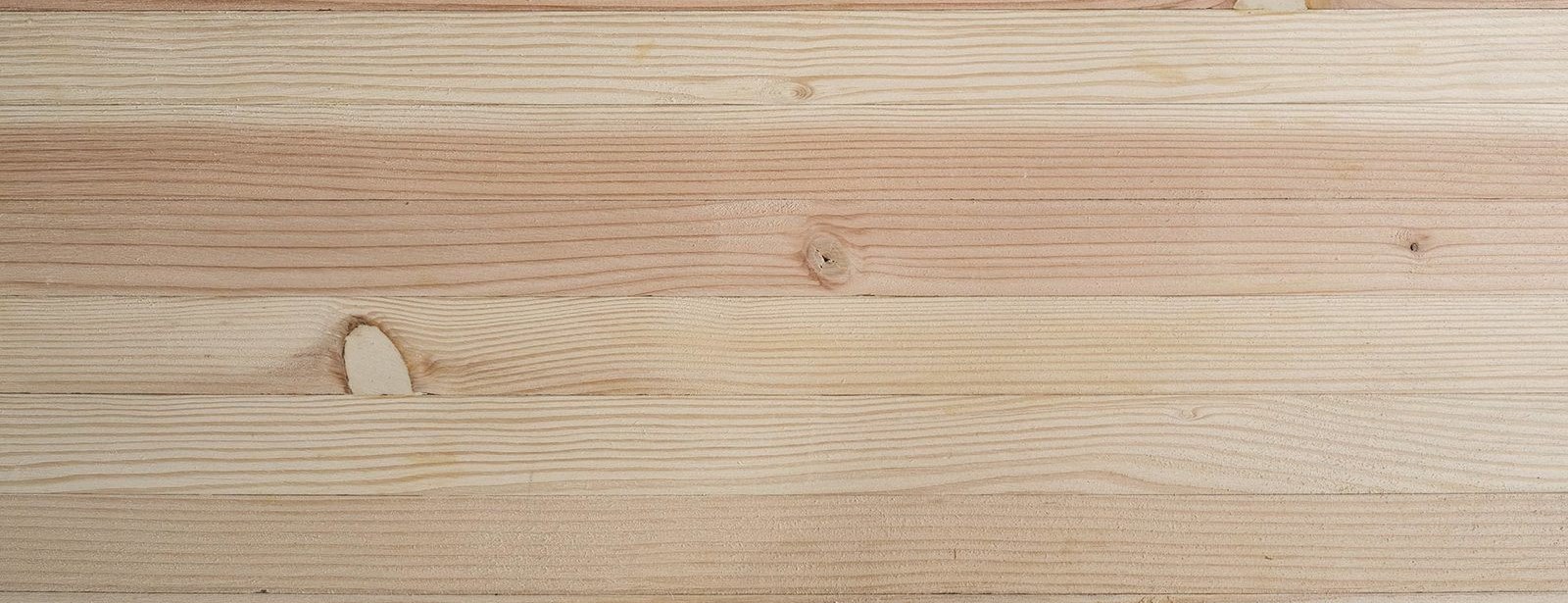
Some designs ask for more than sawn timber can give: a fifty-foot clear span, a long sweeping curve, a beam that has to stay dead straight in a wall of glass. That’s what glulam is for: dimensional lumber laminated into members of whatever size and shape the job requires.
It isn’t a budget substitute, and we don’t treat it like one. Where big sawn timbers move as they dry, glulam mostly doesn’t, and because its knots and flaws are spread across many thin layers, it’s more consistent than a solid timber of the same size. It’s the material you choose when the design can’t accommodate wood’s habits.
The layers show, and we’d rather show them than disguise them. A striped beam overhead reads honestly as what it is: a material engineered for the span it’s carrying.
Other speciesWe work with what the project calls for.
Depending on the project, we’ve worked with cypress, reclaimed oak, western red cedar, and other species where the design or client preference calls for it. If you have a species in mind, it’s worth a conversation. Availability, workability, and structural performance all factor in, and we’d rather talk through it early than work around a decision made without full information.
Joinery
Most frames use some wood joinery and some steel.
How a timber frame is connected determines how it performs, how long it lasts, and how it looks. The options run from traditional wood-to-wood joinery, unchanged in its fundamentals for centuries, to steel designed into the frame for loads joinery alone can’t carry. Knowing where each one belongs comes from cutting a lot of frames.
Wood-to-wood joineryA peg pulls the joint tight as it’s driven.
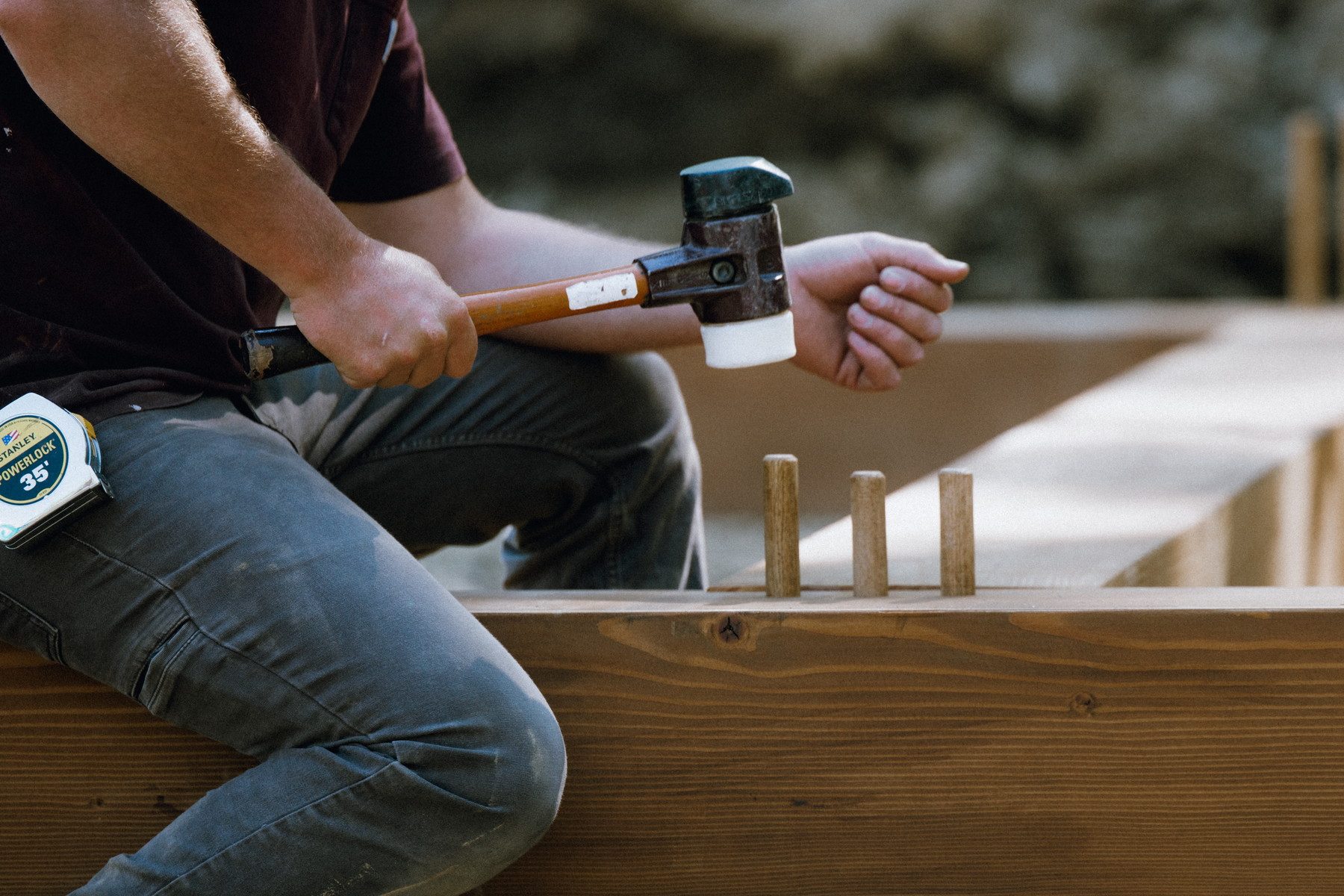
Mortise and tenon, dovetail, scarf and splice: the vocabulary of traditional joinery hasn’t needed to change in centuries. What has changed is how carefully it’s engineered. A draw-bored peg is offset, so driving it draws the tenon tight into the mortise, while the weight of the building passes through the timbers bearing on each other. Building codes don’t cover joinery like this, so every connection we design meets the Timber Frame Engineering Council’s standard, TFEC 1.
Hidden steelEvery hidden connection has to let the wood keep moving.
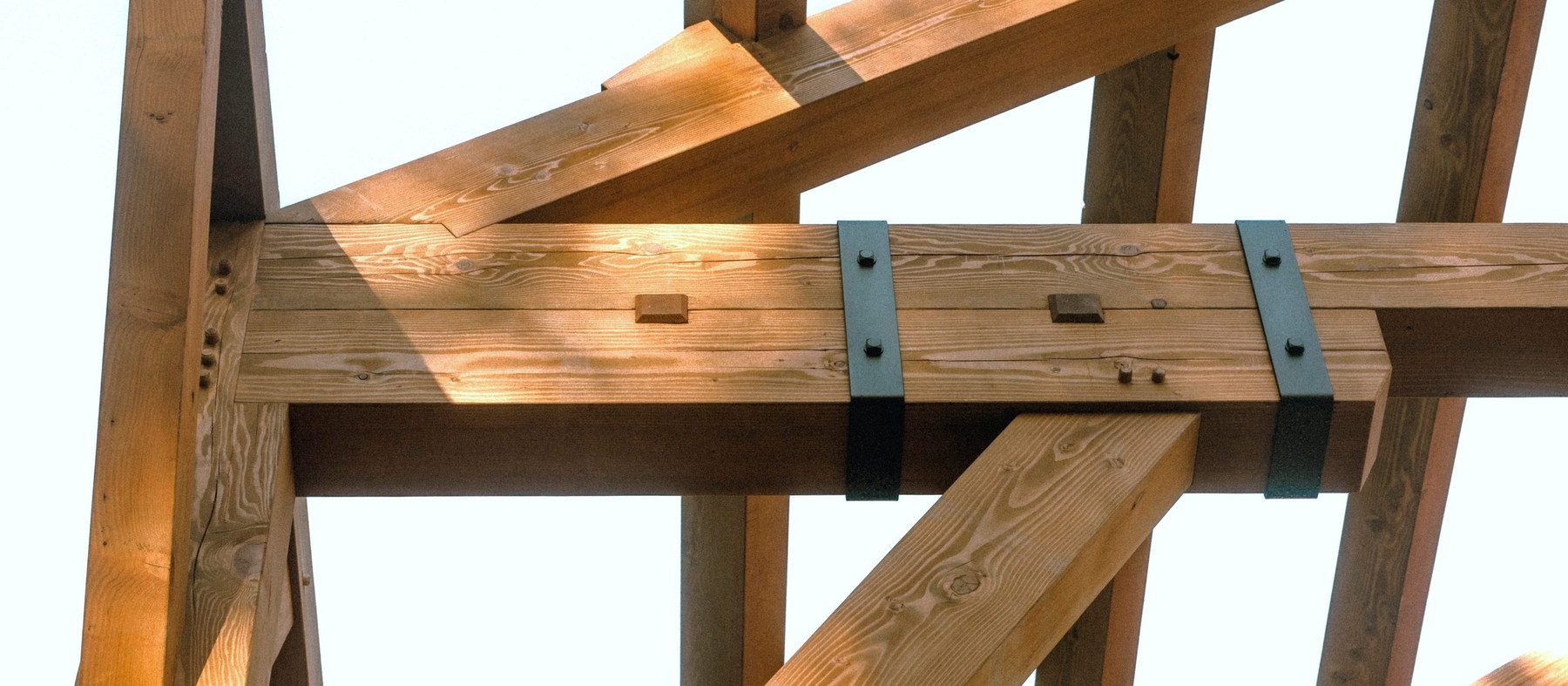
Some connections have to carry more than wood-to-wood joinery can, like high tension, long cantilevers, or tricky geometry. There we build steel into the joint, with knife plates and concealed connectors, so the finished frame still reads as timber.
Steel doesn’t move with humidity the way wood does. A connection detailed without accounting for that can restrain the timber’s natural seasonal movement and split it from the inside, a failure that looks fine on paper and shows up years later.
We design the steel integration in-house, working from our timber frame model. Our engineering partners refine bolt patterns, connection geometry, and load paths. Our metal fabricator builds the finished hardware to fit the frame exactly.
Expressed steel connectionsNot all steel needs to hide.
On the right project, a steel connection can be as good to look at as any traditional joint, with forged metal set against heavy timber and the structural logic out where you can see it. Each piece is designed to do real structural work and to look right in the frame: straps that bolster a connection, tension systems built from custom components, post bases integrated into the frame and left on display.
We develop the concept from our model, then refine the fabrication design with our metal fabricator until the steel and the timber fit each other.
The shop
Where the drawings become a frame.
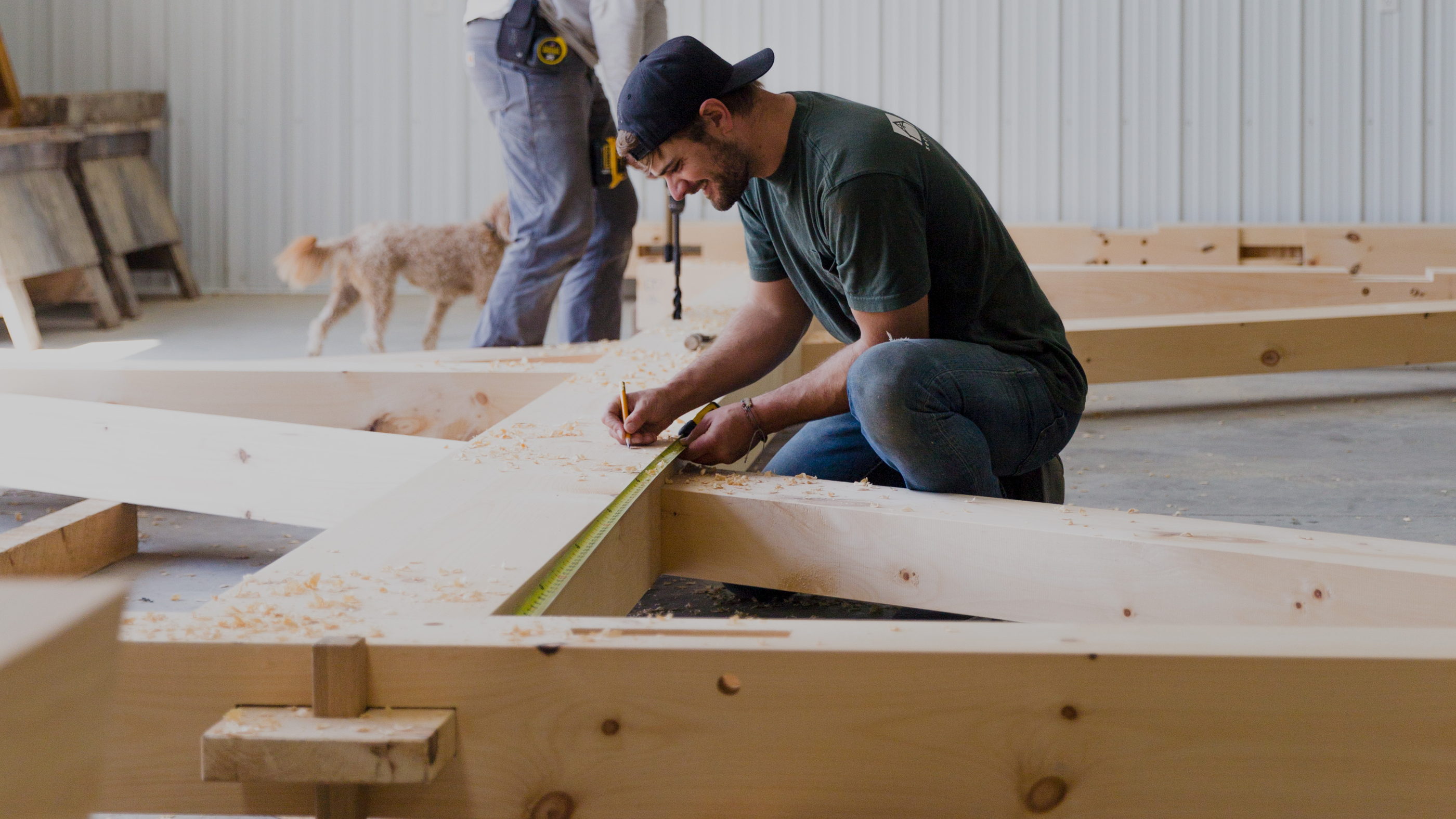
Greg Sickler, who started the company, has been cutting frames for forty years, and the people working alongside him have been here long enough to know the difference between a joint that’s right and one that’s almost right.
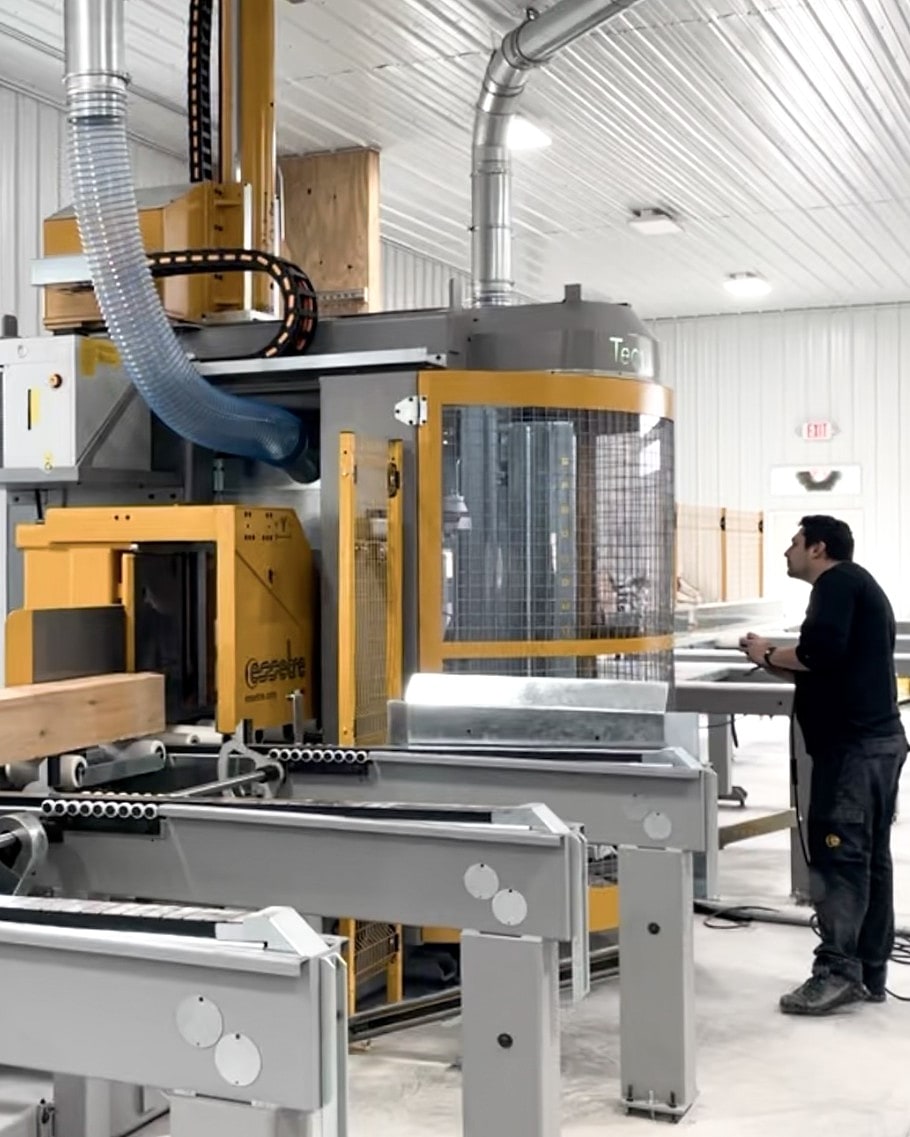
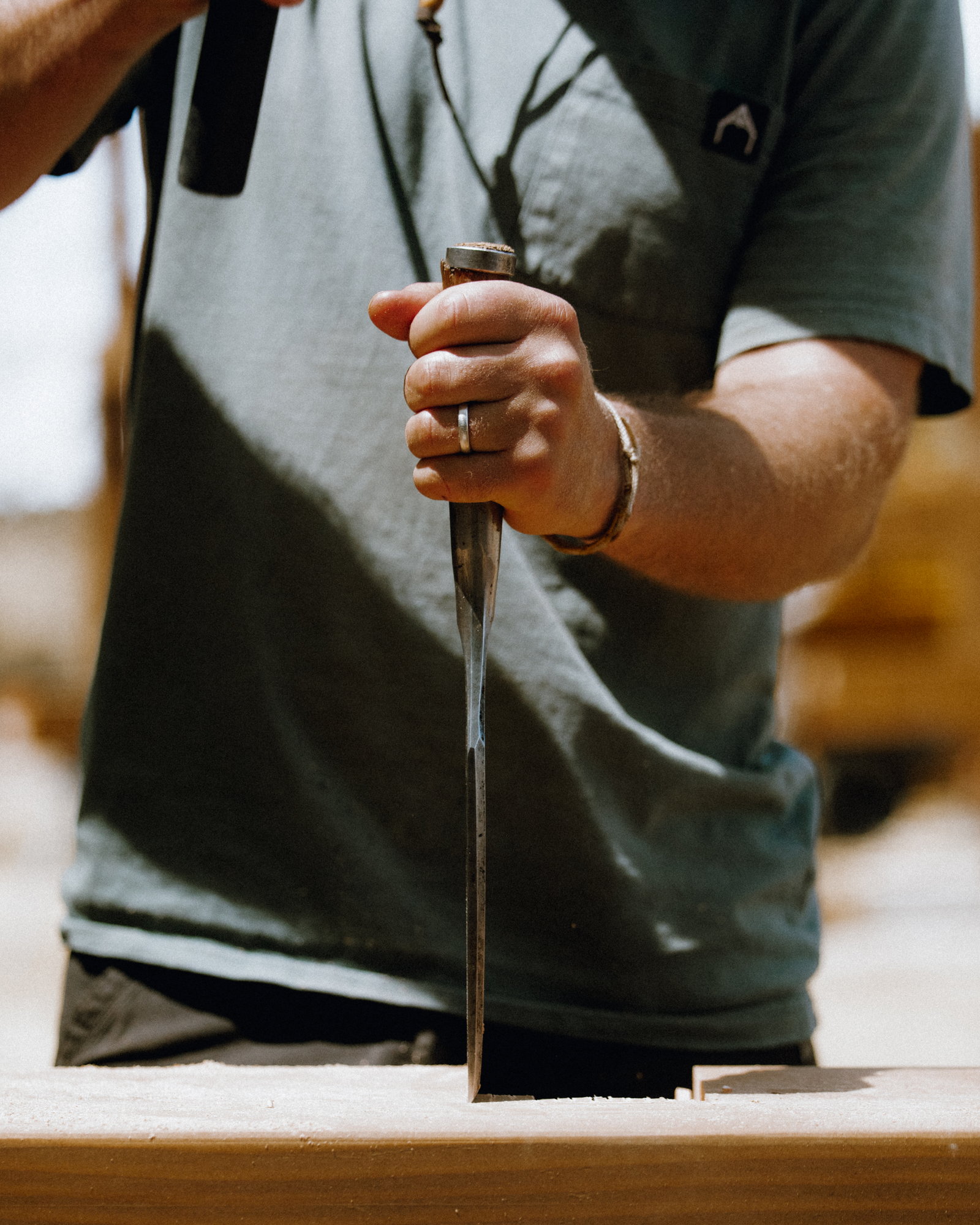
Our 5-axis CNC does most of the heavy lifting. It roughs out the majority of our joinery, and some joints still need a human touch afterward; if we had to put a number on it, the machine does about ninety percent and we do the last ten by hand. We write every machine file in-house, so what the design calls for is exactly what the machine cuts, and when something needs to change, it changes quickly. Complex assemblies are test-fit before anything leaves, so problems get found on our floor instead of on your site.